JEWELRY & HEADPIECES
Choosing Abien Occasion Accessories
A neckline, a motif, a headpiece: three useful starting points for an occasion look.
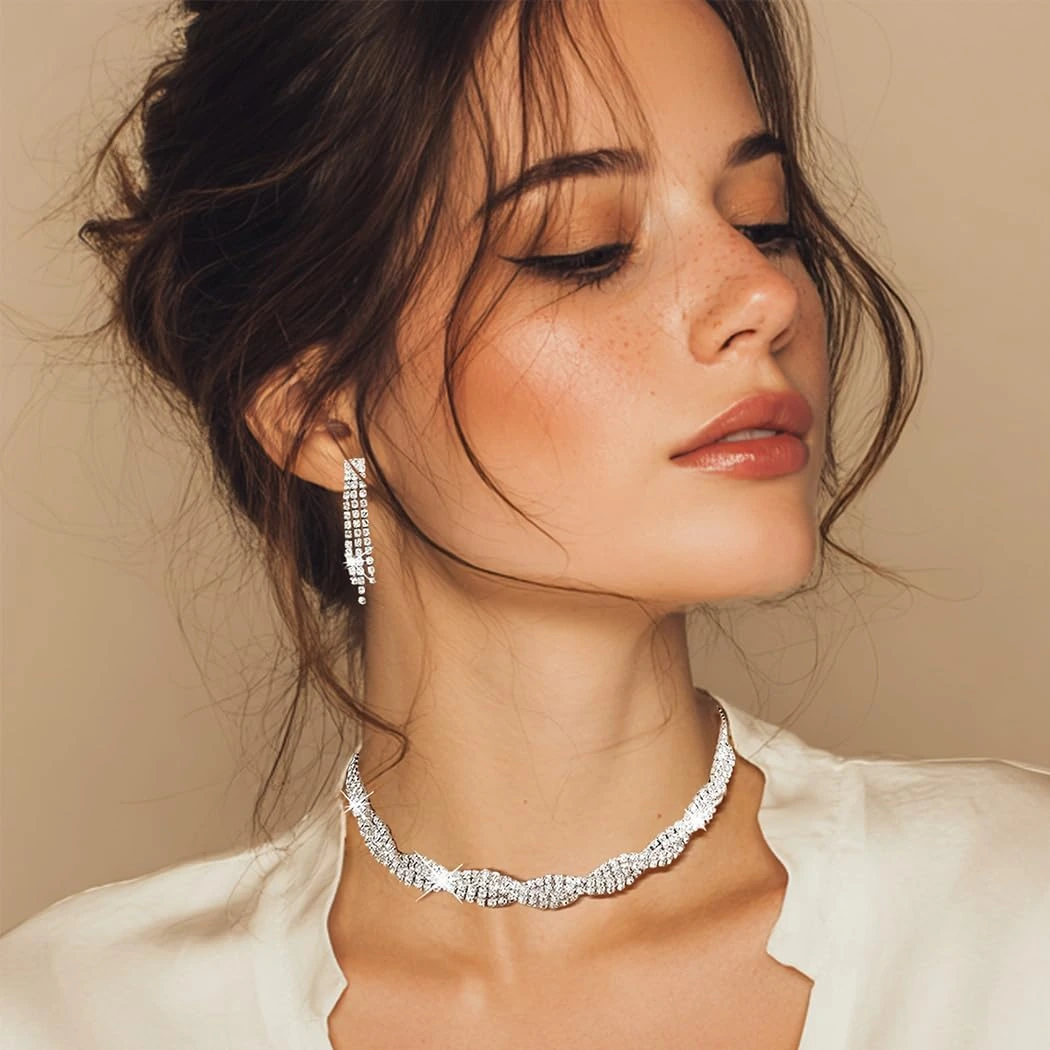
Choosing accessories for an occasion is easier when you begin with the day you will actually have. A wedding with a ceremony and dinner asks different things of an outfit from a costume party, a graduation celebration or an evening of dancing. The aim is not to collect the largest number of coordinated pieces. It is to find a combination that suits the setting, works with your clothes and remains comfortable as the event unfolds.
This guide explains how to move from the invitation to a finished look: choose a focal point, consider the neckline, compare jewelry sets, test headpieces and check the practical details. Abien’s fashion jewelry, headbands and headpieces, and waist accessories offer different directions. The right starting point depends on the outfit you already have and the detail you want to add.
1. Read the occasion before choosing the sparkle
Read the invitation for the dress code, location, timing and any specific requests. Then think about the parts of the event that are not captured by a dress-code label: traveling, standing outside, sitting for a meal, joining photographs or moving between rooms. An accessory should fit those activities as well as the level of formality.
“The wedding invitation and the time of the wedding will be your best guide to its formality.”
The Emily Post Institute, Wedding Guest Attire
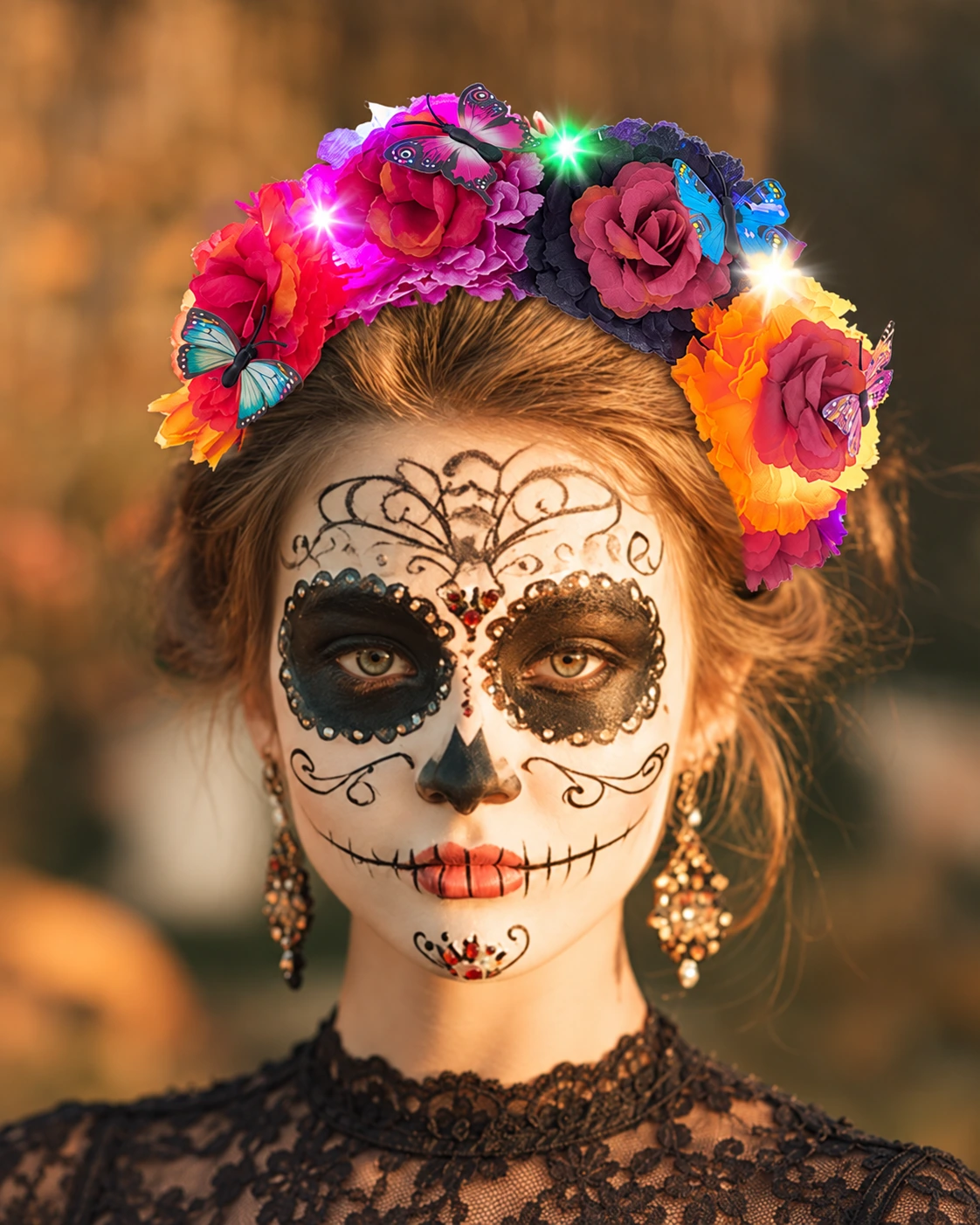
That guidance applies specifically to weddings. For other occasions, the same useful first step is to pay attention to the host’s information rather than guessing from a product photo. If the request is unclear, ask the host a concise question. A floral or illuminated headpiece may be ideal for a themed celebration and less appropriate for a different setting.
At a wedding, also consider any stated ceremony or cultural requirements. Do not assume that a fashion headband fulfills a requested head covering. Choose the overall outfit first, including any required layers, and then see where an accessory fits. This avoids buying a striking piece that has no comfortable place in the final combination.
2. Give the outfit a clear focal point
Try the clothing without jewelry or a headpiece. Notice the features already asking for attention: a dramatic sleeve, a patterned bodice, a deep neckline, a bow or a bright color. Your accessory can reinforce one of those features or bring interest to a quieter area. It does not need to compete with all of them.
Choose one starting point: the face, the neckline or the waist. Earrings and a headpiece frame the face; a necklace works with the neckline; a belt adds a horizontal detail lower down. This is a way to organize choices, not a restriction on how many pieces you may wear. Once the first element feels right, add another and reassess.
If you enjoy an expressive combination, you can absolutely build one. Make the repetitions intentional: perhaps the same finish links a necklace and belt, while a headpiece repeats a color in the dress. A deliberate relationship between pieces is more useful than the assumption that every accessory must be large or equally bright.
3. Work with the actual neckline
The name of a neckline is only a starting point. Its depth, width, trim and position on you affect how a necklace sits. Put the garment on and compare the jewelry against the fabric. A necklace that looks separate from the neckline on a flat surface may overlap it once you move.
| Garment detail | Try first | Look for |
|---|---|---|
| Simple open neckline | A necklace as the main accent | Space between the necklace and garment edge during movement |
| High or decorated collar | Earrings or a waist detail | Whether another necklace adds interest or becomes hidden |
| Asymmetric neckline | A quieter necklace or a face-framing detail | How the jewelry relates to the stronger shoulder line |
| Ruffles, bows or embroidery | One accent away from the busiest area | Enough separation for each detail to remain visible |
| Plain fitted bodice | A necklace or belt, tested separately | Which placement gives the effect you prefer |
Check the necklace while turning your head, raising your arms and sitting. If it repeatedly catches the garment edge, another length or a different accessory may be more practical. Do not judge the combination only by a single front-facing photograph. Side views can reveal overlaps that are difficult to notice in a mirror.
4. Treat a jewelry set as a set of choices
A matching set can simplify the search for a shared finish or motif. It does not oblige you to wear every component at once. Begin with the piece that best serves the outfit, then add another only if you like the effect. A necklace and earrings may be enough for one dress; a bracelet might be more visible with another.
Check each component separately. Necklace length, earring fastening and bracelet fit are different questions. A photograph showing several accessories does not establish that all of them are included. Read the package contents on the selected product page, particularly when the same product family offers more than one configuration.
Look beyond the color name. Silver-tone and gold-tone describe appearance unless the material information says more. Rhinestone and pearl-accent descriptions also do not automatically mean diamonds or natural pearls. If a material or fastening type is essential to your choice, confirm it directly instead of interpreting a styling photograph as a specification.
5. Plan the headpiece with your hairstyle
A headpiece changes the outline around your face, so try it with the hairstyle you expect to wear. Hair worn loose, pinned back or gathered into an updo can change both visibility and the feeling of the band. Test the position gently rather than forcing a decorated piece into a shape it was not designed to hold.
Look at the height and width of the decoration from the front and side. A large floral arrangement may become the main feature of the outfit; a smaller shape may act as a finishing detail. Consider earrings at the same time. A headpiece and long earrings can be a deliberate combination, but make sure they do not touch or catch as you turn.
Keep the headpiece on for a short trial while doing ordinary things. Read, sit down, walk and put on any outerwear you will use. A brief mirror check may not reveal pressure or slipping. If the fit does not feel right, choose another style rather than planning to tolerate discomfort throughout the event.
6. Add a waist detail when the neckline is already busy
If the top of the outfit has enough detail, a belt or waist chain can move the accent elsewhere. The two are not interchangeable. A belt may create a more defined band, while a body chain can form a decorative arrangement with hanging sections. Compare the full shape, including the lowest part of any layered design.
Measure the intended wearing position over the actual clothes. A chain worn lower on the hips may need a different usable length from one worn at the natural waist. Total length and wearable range are not necessarily the same. The Abien size guide is a useful companion to the measurements on the selected product page.
For a detailed comparison of construction, placement and outfit formulas, read how to style a rhinestone belt. If a pearl or coastal motif better suits your plan, browse body chains and waist jewelry, then check the care instructions rather than assuming a beach-inspired design is suitable for swimming.
7. Build a small color and finish palette
Begin with the colors already present in the clothing. Choose whether the accessories should echo one of them or create a contrast. A shared finish can connect a necklace and belt; a floral headpiece might suggest a color to repeat in a bag. You do not need an exact match across every surface.
Compare pieces together in daylight and in ordinary indoor light. A screen can make two finishes look more similar than they do in person, and reflective details can change with the lighting. If you are ordering separate pieces, leave time to see them alongside the actual outfit rather than assuming that the same color label guarantees an identical appearance.
A useful way to simplify is to describe the look in a short phrase: silver accents with navy, floral color over a simple dress, or a bow detail with a quiet neckline. If you cannot describe what connects the pieces, remove one and try again. The phrase is a decision tool, not a rule anyone else has to recognize.
8. Adapt the method to three kinds of occasion
A wedding or a seated celebration
Start with the requested attire and any ceremony requirements. Choose the outfit, then test jewelry while seated at a table. A bracelet can interact with a sleeve or table setting; a belt may feel different after sitting. Bring the outer layer into the trial too, especially if part of the event takes place outdoors or in another venue.
A dinner, graduation or evening gathering
Think about photographs as well as conversation. A necklace or earrings may be more visible in seated portraits than a belt, while a full outfit photograph tells a different story. You do not need to optimize for both with more accessories. Decide which detail you enjoy wearing and use the photos as a check on balance rather than the only goal.
A themed party or costume event
Let the theme guide one clear element: a seasonal headpiece, a tulle layer or a textured accessory. Read the invitation so you know whether the theme is optional, playful or specific. If you are also preparing the space, use our guide to coordinating a party outfit and decorations to connect the two without making every detail identical.
9. Rehearse the whole outfit
Give the combination a realistic trial before the day. Put on the clothes, shoes, jewelry and headpiece together. Fasten everything yourself if that is how you will get ready. Check whether you can reach the clasp, whether a bracelet interferes with a cuff, and whether a bag strap catches a necklace or shoulder detail.
Walk, sit and turn your head. Lift the bag onto your shoulder and take it off again. Try the outer layer and check whether a headpiece makes it awkward to put on. These ordinary actions provide more useful information than repeatedly looking at the front of the outfit while standing still.
| Check | What a useful result looks like |
|---|---|
| Fastenings | You can use them without forcing components or pulling the decoration. |
| Movement | The pieces remain where intended without repeated adjustment. |
| Fabric contact | There is no obvious catching, snagging or unwanted overlap. |
| Seated fit | Waist and wrist details remain comfortable when you sit. |
| Complete look | You like the outfit with the bag and outer layer included. |
10. Shop and pack around the event
Before choosing an option, review its color, size, dimensions, included pieces and photographs. Check current delivery information for your destination rather than treating the event date as a delivery promise. The website’s displayed price and stock information are dated checks; confirm the current details when you follow the selected product’s shop button.
Keep accessories separated during travel so chains do not tangle and decorative surfaces are not rubbing together. Bring only the alternatives you will genuinely consider: a small backup earring choice is easier to manage than an entire jewelry drawer. Keep the item’s instructions available, especially for illuminated accessories that have specific power or care requirements.
After the event, follow the exact product instructions before cleaning or storing it. Clothing care and accessory care are separate tasks. Our care guide offers general precautions, while how to shop Abien explains where to verify selected options and locate help for an existing purchase.
11. Common questions about occasion accessories
Do I need a necklace, earrings and a bracelet?
No. Start with the feature you want to emphasize. A set offers coordinated options, but your neckline, sleeves and hairstyle may make some pieces more useful than others. Try the components individually before deciding whether the complete set improves the outfit.
Can I mix a headpiece with a rhinestone belt?
Yes, as a styling choice. Compare their scale and decide whether one should lead. A shared color or motif can connect them, but fit and movement still matter. Test the combination with the real hairstyle and garment rather than judging the accessories side by side on a table.
How do I choose a gift accessory for someone else?
Think about what the person already wears and which measurements or fastening preferences you actually know. A familiar color does not solve an unknown fit. Review the selected item’s dimensions and the current purchase terms; avoid assuming that a one-size label or a matching set guarantees suitability.
What if I like two very different looks?
Photograph both complete versions and compare them against the occasion, comfort and practical demands. You may discover that one works better with your outerwear or bag. If both work, choose the one you feel more like wearing; accessories do not need to pass an imaginary universal test of correctness.
12. Make the final edit yours
Set the finished outfit aside with its chosen accessories so getting ready is straightforward. Check the pieces once more before packing or dressing, and leave enough time to fasten them without rushing. The value of planning is that you can then turn your attention to the occasion instead of continually adjusting what you are wearing.
Keep the photograph and a short note about what worked. It becomes a reference for the next invitation, even when you change the dress or add a new detail. Explore the full Abien collection when you know which role is still missing from the outfit, rather than buying several pieces and hoping they will create a direction afterwards.